30 Types of Interior Design Styles You Need to Know in 2026
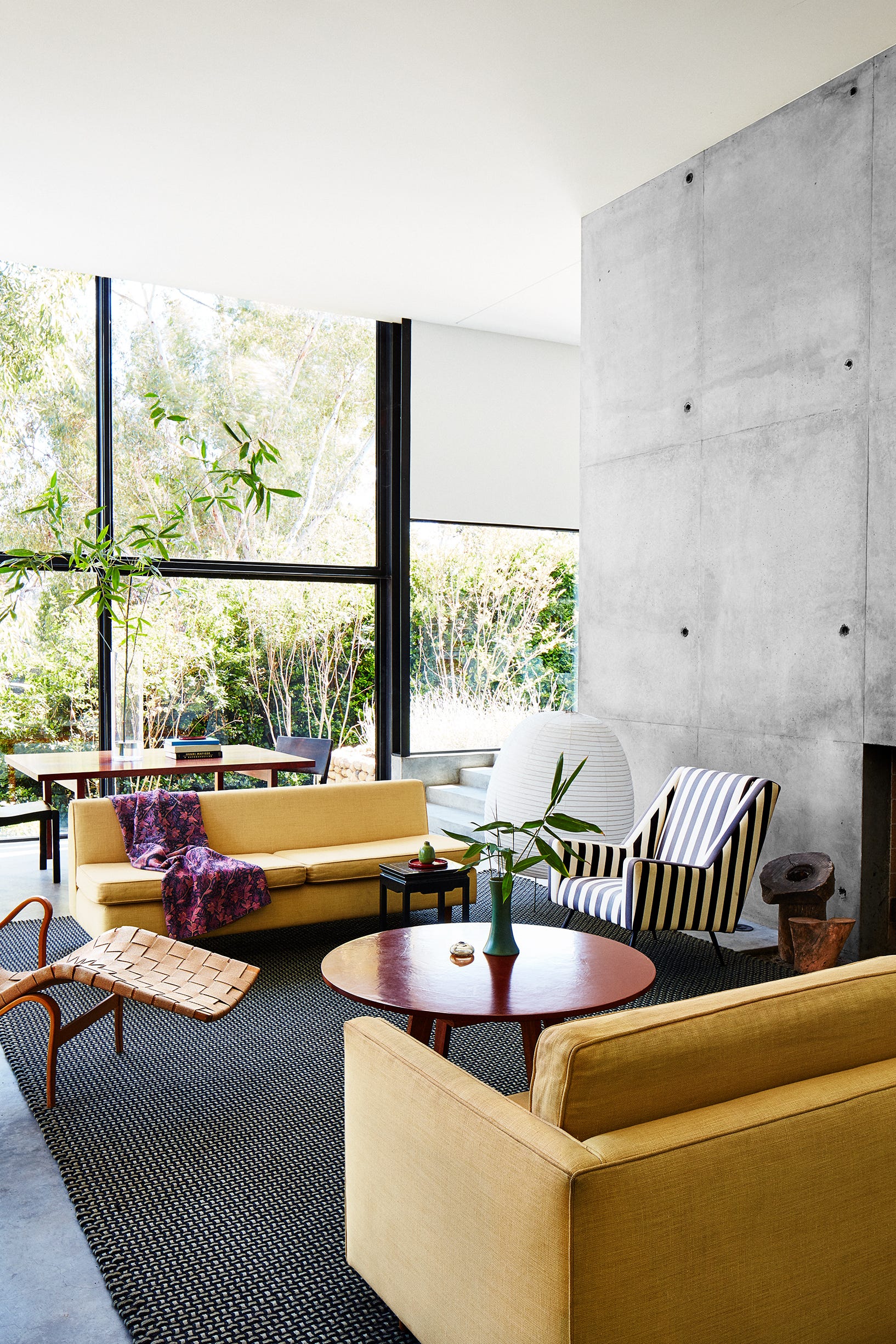
Interior design is ultimately about shaping the personality of your home. For some, that means a minimal, clean look with a ; for others, it’s all about bold colors and expressive details. Many people fall somewhere in between, but regardless of where your taste lands, understanding the types of interior design styles can help both homeowners and discover what truly resonates with them.
Much like fashion, the types of interior design styles go far beyond the basics. Some are rooted in specific time periods—like the geometric elegance of in the 1920s—while others are influenced by geography, such as the clean, functional appeal of . You might recognize for its sleek, postwar silhouettes, or for its fearless use of color and pattern. No matter their origin, the many types of interior design styles each have their own distinct characteristics, helping you define a space that feels uniquely yours.
Once you’ve deepened your understanding of interior design styles, the creative journey becomes even more exciting. In the words of interior designer , “The best design projects were the ones where people broke all the rules.” And here’s an important reminder: you don’t have to stick to just one. Even the professionals love mixing styles, old and new. “Maintaining a consistent color palette throughout your house will blur the lines between styles,” as designer Annie Elliott .
Ahead, read up on all of the major interior design styles. Once you’re armed with this knowledge, the fun really begins.
Additional copy by .
Related Story
Gustavian

Luke White
The 1770s to the early 1800s encapsulated Sweden's . Named for the two kings of that period, this interior design style is a more streamlined version of Rococo. Curved silhouettes became straight, and intricate millwork was shown on doors, columns, and furniture. Pastel hues were indicative of this design period, as were slim, tapered furniture legs, like those of this bench in a home by designer . The design of this age was largely symmetrical.
Japandi

Justin Chung
Somewhere on the spectrum between Scandinavian and Japanese interior design styles is Japandi. Low furniture and natural materials are key elements of this aesthetic, and you can expect the color palettes to remain neutral. You'll frequently also see paper lanterns and imperfect ceramics in Japandi spaces.
Related Story:
Advertisement - Continue Reading Below
Alpine Chic

Trevor Tondro
More elevated than a rustic cabin, the alpine interior design style encompasses cozy mountain living. These spaces are often inspired by and the French Alps. Raw materials like reclaimed wood, stone, and iron all make appearances, and high-pile textiles like shearling, wool, and velvet add to the layered look. Take this –designed space as an excellent example of the moodier side of the style.
California Coastal

LUCY CALL_
A more laid-back version of traditional coastal design, California Coastal brings comfort and natural textures to the forefront. Chaney Widmer, the interior designer behind , explains that this style encapsulates a 'tailored yet casual' energy similar to Californians themselves. Color palettes consist of neutrals, greens, and blues, while materials used often include wood, rattan, leather, and linen.
Related Story:
Advertisement - Continue Reading Below
Biophilic

ALI HARPER
puts a connection to nature at the top of its core principles. From including large-scale installations, like plant walls and green roofs, to using recycled materials in furniture and upholstery, biophilic design takes eco-friendly living to a new level. Focus on incorporating a lot of natural light and greenery to get started.
In a home by interior designer , the sunroom showcases exterior greenery through tall windows that also allow for ample natural light for potted plants inside.
Southern Traditional

Heidi Harris
Similar to the Traditional interior design style, this Southern take offers more opportunity to have fun. Brighter color palettes and more pattern mixing fuel the slightly whimsical nature of Southern Traditional style. This Atlanta home, designed by , is a prime example. Bursts of color are all throughout—not just the kids' spaces! Monograms are also a must-have, and wallpaper is welcome everywhere from the powder room to the den.
Advertisement - Continue Reading Below
Palm Beach

Carmel Brantley
No coastal aesthetic is as specific as the colorful, preppy style that , is known for. Marked by sea-inspired hues, colorful prints, and playful furniture silhouettes (picture a lot of and woven textures), this style is as sophisticated as it is playful. This home in West Palm Beach by displays the look, which is cohesive but not matchy-matchy, perfectly.
Midcentury Modern

ADRIAN GAUT
Though it has recently become a catchall term for anything 20th-century, “midcentury modern” refers to designs from the middle of the 20th century (generally the mid-1940s to early 1970s). is among the style's pioneering American architects. While he created his own signature style, several classic midcentury modern details are apparent in , restored by designer Sarah Anderson-Magness. There's warm wood paneling, brown bathroom tiles, and chrome plumbing. Japanese influence—as seen by the folding screen atop the bed—was also prominent in American midcentury modernism.
Related Story:
Advertisement - Continue Reading Below
Neo-Industrial

William Abranowicz
Not to be confused with industrial design, which refers to work made for industrial purposes, neo-industrial or industrial-style interior design borrows elements of industrial architecture—like the concrete walls, steel details, and spartan windows in —for use in residential interiors.
Traditional

Courtesy of Corey Damen Jenkins
Designer has a knack for making a home's traditional interior design style look fresh—he even wrote a book titled . In this dining room, paneled mahogany walls are lit by 19th-century sconces, and an antique table is surrounded by Louis XVI chairs. Eager to dive deeper into the style's roots? .
Advertisement - Continue Reading Below
Transitional

Julie Soefer
Spaces that bridge the gap between modern and traditional—like —are dubbed transitional. Here, the designer pairs classic elements like a bench seat sofa and antique coffee table with modern lines on the stone side table and 21st-century artwork.
Maximalist

KEVIN J. MIYAZAKI
Combining colors, patterns, and textures is the path to a maximalist interior. If you're inclined to go for a “more is more” approach, you'll hardly go wrong. The trick to having it not look overwhelming is balance. Take inspiration from our , where designer Isabel Ladd decked out the primary suite in perfectly paired palettes.
Advertisement - Continue Reading Below
Scandinavian

Christian Torres
At its core, the Scandinavian interior design style is characterized by an aesthetic that combines minimalism with coziness and functionality. Picture high-pile rugs and natural wood tones, , and clutter-free interiors. In this bedroom, the Brownstone Boys design team utilized a and a , which takes some inspiration from Japanese minimalism.
Farmhouse

ALI HARPER
With an eye toward functional simplicity, “suggests a more humble, vernacular interpretation of American historical styles from the 18th and 19th centuries, whether they be Colonial, Greek Revival, or Victorian,” explains architect .
Advertisement - Continue Reading Below
Americana

Reid Rolls
The Americana interior design style blends Farmhouse charm with midcentury-chic elements. Key features include wood paneling, vintage artwork, and functional finishes. To complete the look, consider adding checkerboard prints, patchwork quilts, and vintage solid wood furniture. A little , like in this kitchen of 's country home, doesn't hurt either.
Rustic

Eric Piasecki
Rustic design, the rough-and-ready cousin of the Farmhouse style, is focused on organic elements (like unpolished stone and natural wood), a neutral color palette, and functionality. The beauty lies within the craftsmanship of the pieces used. Think about this Montana home by designer for inspiration.
Advertisement - Continue Reading Below
Minimalist

Robson Rak
is about paring down the decor and color palette to just the basics. Since this interior design style means doing more with less, you'll often notice the importance of light and contrast in minimalist spaces, like this one by .
Bohemian

Stephen Karlisch
combines global influences and an artfully mismatched approach to design. This style mixes colors, patterns, and textures in ways that feel eclectic and exciting. A rich palette of and large-scale patterns is key, like in . Fabric upholstery and natural textures (think , wicker, and seagrass) that bring the outdoors in are also excellent.
Related Story:
Advertisement - Continue Reading Below
Mediterranean

Douglas Friedman
Combining elements of Spanish, Italian, and French design, the Mediterranean interior design style is essentially a different spin on . The go-to color pairing is blue and white, but you can warm it up with terra-cotta, natural wood tones, and earthy textures like rattan and stone. For this breakfast area, designer Jon De La Cruz paired an antique Spanish refectory table with Holland & Sherry fabric for the banquette slipcover.
French Country

Trevor Tondro
French country design combines natural materials, muted , toile fabrics, extravagant lighting, touches of gold, woven tapestries, and more—all with a rustic touch. Throw matching sets to the curb and focus on antiques rather than buying new pieces. The overall effect of French country decor is meant to be warm, welcoming, and casual, just like .
Watch Next 
 Advertisement - Continue Reading Below
Readers Also Read
Advertisement - Continue Reading BelowAdvertisement - Continue Reading Below
